Indiana homes ride out four true seasons, freeze–thaw cycles, and humidity swings that test materials, ventilation, and insulation. In Terre Haute and nearby towns, the upgrades that perform best aren’t flashy, they’re the ones that manage moisture, light, noise, and temperature while keeping maintenance low and inspections smooth.
This guide focuses on practical choices that make living easier without turning your house into a project site for months.
Plan For Outcomes, Then Pick Materials
Start by defining how you want rooms to feel and function: warmer floors in winter, quieter bedrooms, brighter task areas, fresher bathrooms, and basements that read like main-floor living. With those outcomes in mind, it becomes simpler to choose the underlying specs. Insulation R-values, ventilation paths, lighting color temperature, switch locations, and outlet spacing, without overspending on features that don’t move the needle.
When you research home improvements, local context matters. In Terre Haute and across Indiana, contractors such as Patriot Property Pros often begin with use-mapping (furniture, walk paths, work zones), then back into wiring routes, fixture placement, and moisture control so the finished space looks intentional and passes inspection cleanly.
High-Value Projects That Fit Indiana’s Climate
These upgrades are broadly useful in West-Central Indiana and tend to pay back in comfort, energy, or resale. Aim for durable, easy-to-source materials and straightforward installation sequences.
- Attic air sealing and top-off insulation to recommended R-values
- Bathroom moisture control with right-sized, insulated, and properly terminated exhaust
- Basement lighting with wafer LEDs, two or more switched zones, and balanced circuits
- Door weatherstripping and threshold tuning to reduce drafts and HVAC cycling
- Kitchen task lighting refresh at neutral 3000–3500K with dimming
- Laundry safety updates ─ GFCI/AFCI where required and smooth, short dryer vent runs
- Targeted floor upgrades in high-traffic zones that resist seasonal movement
- Exterior water management with gutters, downspout extensions, and grading away from the foundation
A Simple Planning Checklist Before You Begin
Small planning steps prevent change orders, protect finishes, and streamline inspections. Keep it lightweight but consistent.
- Define room uses, outcomes, and furniture/walk-path sketches
- Verify code items (GFCI/AFCI, egress, interconnected smoke/CO where required)
- Choose in-stock or short-lead materials to reduce delays
- Photograph existing shutoffs, ducts, wiring paths, and framing for reference
- Set a budget with 10–15% contingency for discoveries
- Sequence work logically (demo → rough-ins → close-in → finishes)
- Pull permits where applicable and schedule inspections early
- Plan debris handling, tool storage, and daily cleanup so the home stays livable
Basements ─ Bright, Dry, And Usable
Basements around Vigo, Vermillion, Parke, and Clay counties are often under-lit and slightly humid. Treat them like main-floor spaces.
- Moisture first ─ exterior drainage, sump reliability, and a quiet, dedicated dehumidifier circuit
- Lighting that flatters low ceilings: thin, sealed wafers spaced 4–6 ft on center, 90+ CRI
- Electrical by use ─ 3-way stair switches, media wall conduit, and separate lighting circuits
- Materials that tolerate swings ─ dimensionally stable flooring and mold-resistant backers
- Sound management ─ soft surfaces in TV areas and careful placement of mechanicals
- Future-proofing ─ conduit to media walls, labeled panel schedules, and rough-in photos
- Clear walk zones under beams/ducts; keep soffits in straight, intentional runs
- Neutral CCT (2700–3500K) so paint and finishes look consistent year-round

Bathrooms ─ Dry-First Design That Lasts
A bathroom that stays healthy is built on airflow and waterproofing rather than just surfaces.
- Surface-applied shower membranes with sealed corners, curbs, niches, and penetrations
- Fan sizing by room volume, insulated ducting, and exterior termination with a damper
- Lighting layers ─ warm-neutral color temperature with mirror task light and dimming
- Slip-aware flooring choices; avoid tiny tiles that increase grout maintenance
- Quiet fixtures and valves to reduce nighttime noise through framing
- Thoughtful storage to keep counters clear and reduce daily humidity spikes
- Accessible shutoffs and clean trap access for faster service
- Sensible hardware placement that considers door swings and traffic patterns
Lighting That Feels Good In Every Season
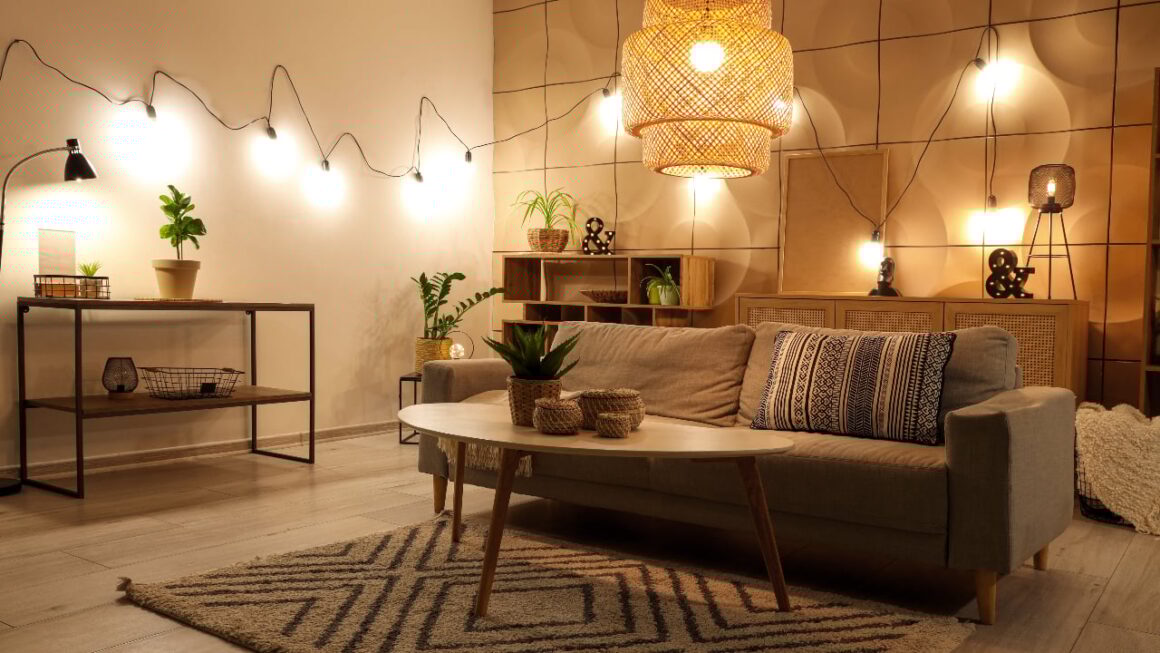
Color quality and distribution beat raw brightness. In living areas, aim for 3000–3500K and 90+ CRI so wood tones and fabrics look natural. Spread light to walls and work planes rather than spotlighting floors. Dimmers add range for winter evenings without committing to a single brightness. In hallways and exterior entries, occupancy sensors prevent wasted runtime while improving safety during early sunsets.
Energy And Comfort Without Overkill
Air sealing tends to outperform many gadget swaps. Focus on top plates, attic hatches, plumbing penetrations, and old can lights. Paired with added attic insulation, you’ll notice steadier temperatures and quieter rooms.
Door tuning ─ hinge adjustment, strike alignment, threshold and sweep replacement, often solves drafts without full replacement. Keep filters fresh and return-air pathways clear; closed-door pressure imbalances can force conditioned air where you don’t want it.
Phasing Your Projects To Reduce Disruption
Few homes can pause life for a full-house overhaul. Phasing keeps momentum while protecting finished areas.
- Phase 1 ─ safety and water management (electrical hazards, leaks, sump/exterior drainage)
- Phase 2 ─ comfort and efficiency (air sealing, insulation, lighting quality, ventilation)
- Phase 3 ─ durable finishes (floors, tile, counters, scrubbable paints)
- Phase 4 ─ nice-to-have features (accent lighting, built-ins, custom storage, smart controls)
- Group noisy and dusty work together; protect adjacent rooms before you start
- Order long-lead items early and keep a simple calendar for inspections and deliveries
- Avoid trade overlap where tools conflict (tile and finish carpentry rarely mix well)
- Photograph each wall after rough-ins; save the images with room names and dates
Small Details That Matter In Indiana Homes
Local inspections in Terre Haute and surrounding towns look for neat workmanship and clear labeling. Keep device heights consistent (switches 42–48 inches to top of box is common), line plates across long walls, and avoid burying junctions behind cabinetry. In basements, separate lighting from receptacles so a tripped outlet doesn’t leave the whole level dark.
Use rated in-floor boxes where furniture floats away from walls. Label the panel schedule plainly, and keep a printed copy with your homeowner records.
Materials And Specs That Age Gracefully
Simple, well-vetted materials beat trend pieces in mixed-climate states. Look for floor products with stable cores and realistic maintenance schedules; pick lighting trims with low glare; prefer hardware and finishes that are easy to clean and touch up. For paint, durable, scrubbable sheens in kitchens, entries, and kids’ rooms often outlast ultra-flat options that mark easily.
What Success Looks Like
When home upgrades go well, rooms feel predictable across seasons. You have light where you need it, outlets where you actually use devices, and airflow that clears moisture quickly. Surfaces wear evenly, doors close without slamming, and winter drafts fade. Most importantly, the finished work looks intentional, aligned plates, straight soffits, clean transitions and inspections become routine rather than stressful.
Further Reading And Local Context
If you’re comparing approaches to home improvements, it helps to cross-check advice with mixed-climate examples and local code notes from Indiana communities. In practice, the details that pass inspections in Terre Haute, clear labeling, tidy cable routes, balanced circuits, and proper ventilation terminations tend to match what also makes living easier day to day. Companies like Patriot Property Pros often document rough-ins with photos so layouts are simple to service years later; that’s a habit any homeowner or contractor can adopt.