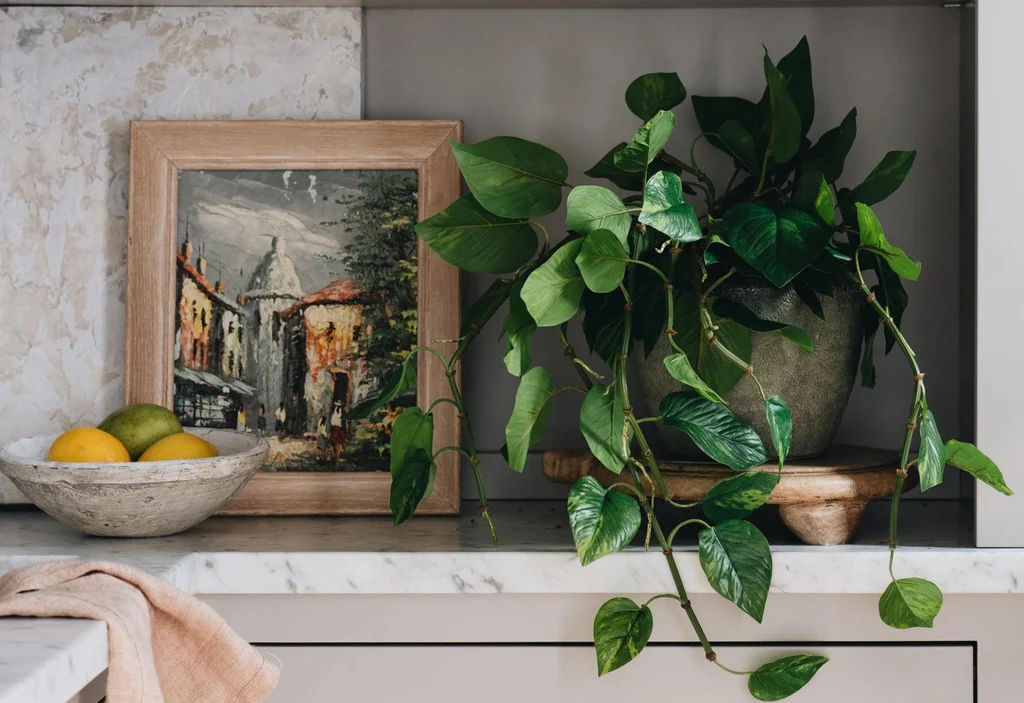
A well-designed home is not only about furniture, paint colours, or lighting. Often, it is the softer details that make a room feel truly finished. Texture, height, warmth, and a sense of life can completely change how a space feels.
This is one reason greenery has become such an important part of modern interiors. Plants can make a room feel calmer, fresher, and more welcoming. They soften hard corners, add natural colour, and help a home feel more personal. But for many people, keeping real plants healthy is not always realistic.
Some rooms do not get enough light. Some homes are too dry, too cold, or too busy. Pets, children, travel, and changing seasons can also make plant care harder than it looks. That is where high-quality faux greenery has become a practical and stylish alternative.
Today’s realistic artificial plants and trees are very different from the stiff, shiny faux plants many people remember from years ago. When chosen and styled well, they can bring the same visual softness and natural feeling into a home without the stress of watering, pruning, or replacing tired-looking leaves.
Why greenery changes the mood of a room
Greenery has a unique role in interior design. A plant can fill an empty corner in a way that a chair or side table cannot. A tree can add height where a room feels too flat. A trailing plant can soften shelves, cabinets, and windowsills. Even a small arrangement can make a hallway, bathroom, or bedside table feel more considered.
The reason greenery works so well is that it adds organic shape. Most homes are full of straight lines: sofas, doors, tables, shelves, wardrobes, tiles, and windows. Plants break up those lines with softer, more natural forms. This helps a room feel less rigid and more comfortable.
In open-plan spaces, greenery can also help define zones. A tall faux tree can soften the transition between a dining area and living area. A pair of plants can frame a fireplace, console table, or reading nook. A large potted tree near a window can make a simple room feel styled with very little effort.
The problem with real plants in real homes
Real plants are beautiful, but they are not always easy to live with. A plant that looks perfect in a shop may struggle once it is placed in a darker hallway or a room with strong heating. Some plants need regular misting, careful watering, or very specific light conditions. Others grow unevenly, drop leaves, or become too large for their original space.
For busy households, this can quickly become frustrating. A home should feel relaxing, not like another list of tasks. Many people love the look of greenery but do not want the constant worry of keeping every plant alive.
There are also practical spaces where real plants are more difficult. Bathrooms without windows, shaded corners, holiday homes, rental properties, offices, and high shelves are all areas where living plants may not be the best choice. Faux greenery allows homeowners to enjoy the look of plants in places where real ones may not survive.
Why faux greenery has become more sophisticated
The quality of artificial greenery has improved significantly. More realistic leaf shapes, natural-looking stems, varied colouring, and better textures have made faux plants much easier to use in stylish interiors.
The best faux greenery does not look overly perfect. Real plants have variation. Leaves face different directions. Colours are not completely uniform. Branches are not always symmetrical. Choosing artificial plants with these more natural details helps create a much more believable result.
Brands such as FauxNatural offer artificial trees and plants that are designed for homes, interiors, events, and commercial spaces, making it easier to bring a natural look into rooms where real greenery may not be practical.
Choosing the right faux tree for your space
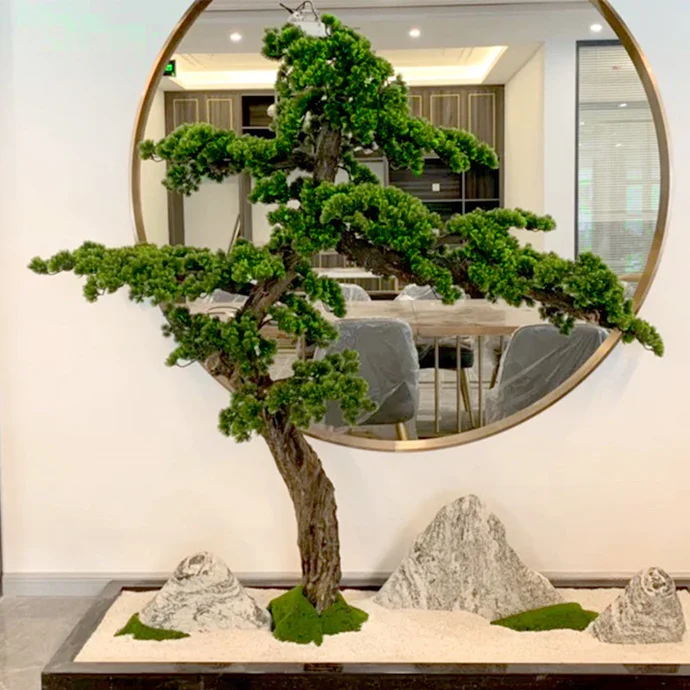
A tall faux tree is one of the easiest ways to make a room feel more designed. It adds height, fills unused space, and creates a strong focal point without requiring major changes to the room.
For a calm, Mediterranean-inspired look, an olive tree works beautifully. It pairs well with neutral colours, linen, stone, wood, and soft warm lighting. In a living room, it can sit beside a sofa, near a window, or behind an accent chair.
For a fuller and more classic look, a ficus tree or leafy green tree can make a space feel lush and inviting. These work well in larger rooms, hallways, home offices, and dining areas.
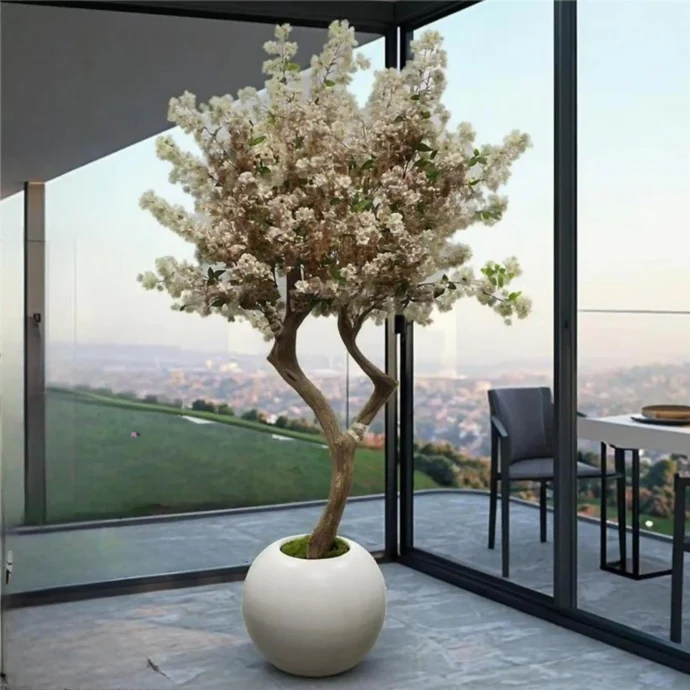
For a softer decorative style, blossom trees can add a romantic, statement look. They are especially effective in entrance halls, bedrooms, event spaces, or rooms where the tree is meant to feel like a feature rather than a subtle background detail.
The key is scale. A small plant in a large empty corner may look lost, while a tree that is too large can overwhelm the room. As a general rule, taller ceilings can handle taller trees, while smaller rooms often benefit from slimmer shapes.
How to make faux plants look more natural
Styling is what makes faux greenery feel intentional. Even a realistic artificial plant can look unfinished if it is placed in the wrong pot or left sitting in a basic plastic container.
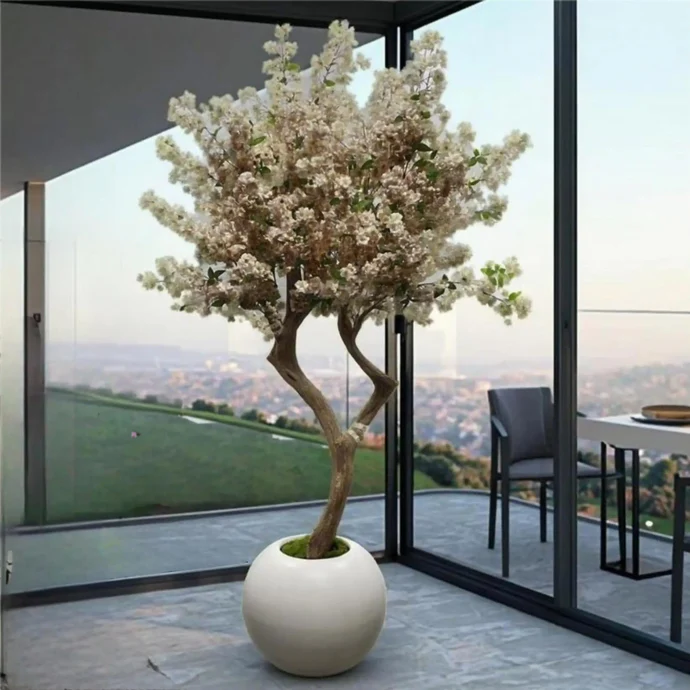
A good pot makes a huge difference. Choose ceramic, stone, terracotta, rattan, woven baskets, or textured planters that match the style of your home. For a modern space, a clean stone or matte ceramic pot can work well. For a relaxed country or coastal home, a basket or aged terracotta planter can make the plant feel warmer.
The base is also important. Covering the top of the pot with moss, bark, soil, stones, or decorative filler helps hide the artificial base and creates a more realistic finish.
Placement matters too. Real plants usually sit where they would naturally receive light, so placing faux plants near windows, patio doors, or bright corners can make them more believable. That does not mean they need light to survive, but visually, it helps them feel like part of the room.
Finally, avoid making everything too symmetrical. Real homes feel better when styling looks natural. A tree slightly angled in a corner, a trailing plant on one side of a shelf, or a cluster of different heights can look more relaxed than perfectly matched arrangements.
The best rooms for faux greenery
Almost every room can benefit from greenery, but some spaces are especially well suited to artificial plants.
In the living room, a faux tree can make the space feel warmer and more complete. It can sit beside the sofa, near a media unit, in an empty corner, or by a reading chair.
In the bedroom, softer greenery can create a calmer atmosphere. A small plant on a bedside table or a slim tree near a window can make the room feel more peaceful without adding clutter.
In the bathroom, faux plants are particularly useful because many bathrooms lack the right conditions for real plants. A small fern-style plant, trailing greenery, or compact tree can soften tiles, mirrors, and hard surfaces.
In the hallway, greenery can make a strong first impression. A potted tree near the entrance or a plant on a console table helps the space feel more welcoming.
In the home office, greenery can soften a practical workspace and make it feel less sterile. This is especially useful for rooms with lots of screens, cables, and storage.
A low-maintenance way to refresh a home
One of the biggest benefits of faux greenery is that it allows you to refresh a room without redecorating completely. You do not need to repaint, buy new furniture, or change the layout. A large tree, a few shelf plants, or a pair of potted arrangements can make the space feel noticeably different.
This makes faux greenery a smart choice for renters, busy families, second homes, commercial properties, and anyone who wants a more natural look without ongoing maintenance.
It is also easy to move. A tree that starts in the living room can later be used in a bedroom, hallway, garden room, or dining area. Seasonal styling can be added with lights, ribbons, flowers, or different planters.
Final thoughts
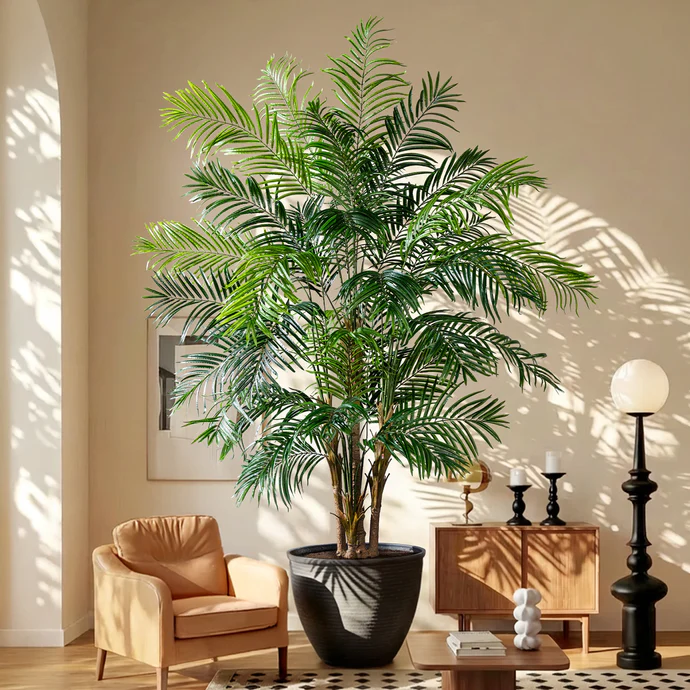
A beautiful home should feel comfortable, personal, and easy to live in. Greenery helps create that feeling, but it does not always need to be real to have an impact.
High-quality faux plants and trees can bring softness, height, texture, and natural colour into almost any room. They work especially well in spaces where real plants are difficult to maintain, and they can help a home feel more complete with very little effort.
When chosen carefully and styled thoughtfully, faux greenery is not simply a substitute for real plants. It is a practical design tool that can make everyday spaces feel calmer, warmer, and more inviting.